DMT-600UV Masking Tape: Application and Removal Considerations
What to check before selecting automotive masking tape
Masking quality depends on the substrate, coating process, application time and tape removal. Paint bleeding and adhesive transfer can require rework, but no single tape eliminates these risks for every job.
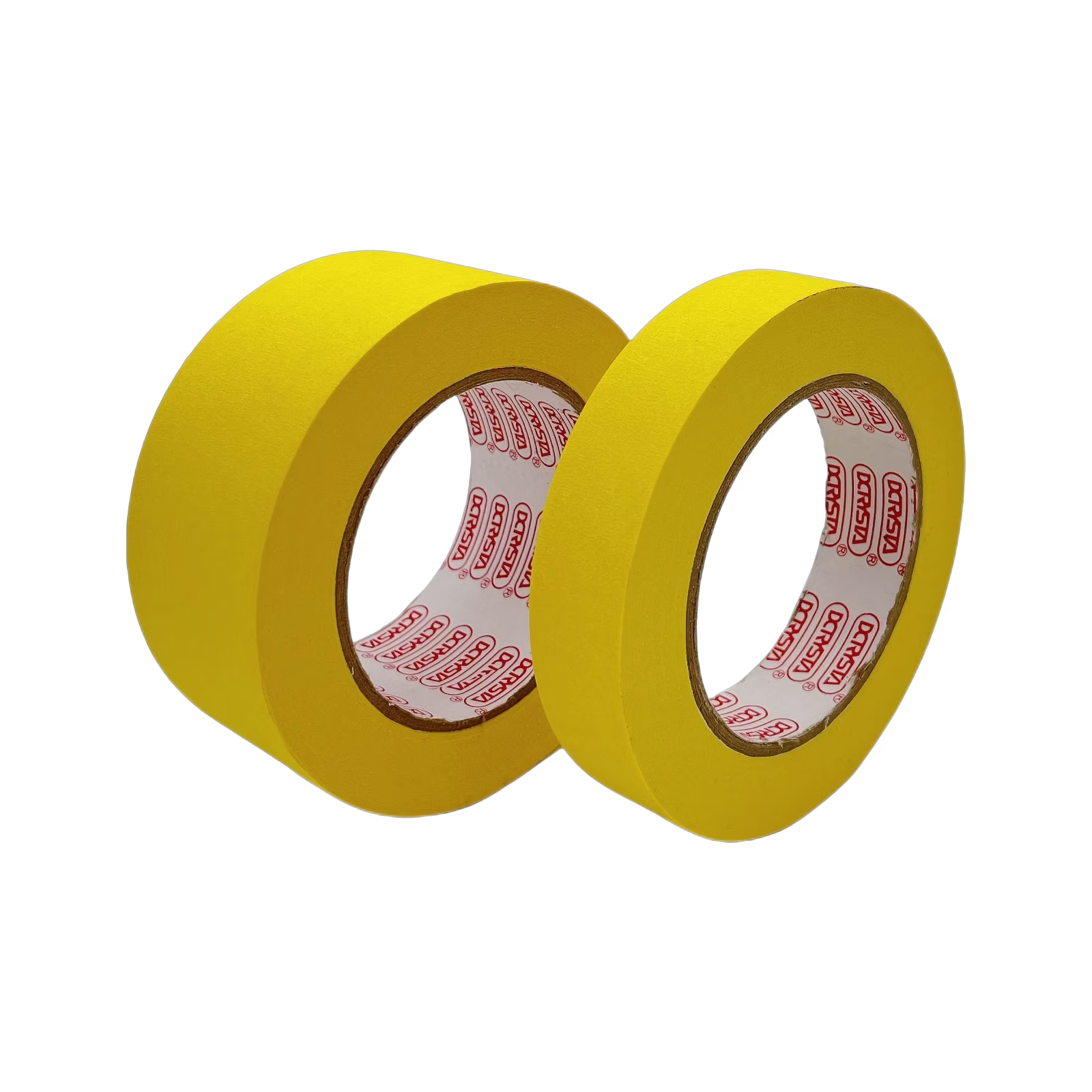
DCRYSTA DMT-600UV is a saturated crepe-paper tape with natural rubber adhesive. The published product data lists up to five days of UV resistance and 90°C for 30 minutes. These values describe specified exposure conditions and should not be combined into an unrestricted performance promise.

Application checks
- Confirm that the panel coating is sufficiently cured and suitable for the selected adhesive.
- Clean and dry the surface in accordance with the paint-system instructions.
- Apply the tape firmly at the masking edge without stretching it excessively.
- Check the planned bake cycle and outdoor exposure independently against the published limits.
- Test removal timing and technique on sensitive panels before routine use.

Assessing the masking process
For a meaningful comparison, use similar panel geometries and coating systems and record application time, paint-edge rework, cleanup and removal conditions. A productivity figure needs a recorded baseline, a consistent method and enough comparable jobs to support the result.
See the DMT-600UV product specifications for the listed roll formats and exposure limits, or the automotive masking tape selection guide for comparison criteria.